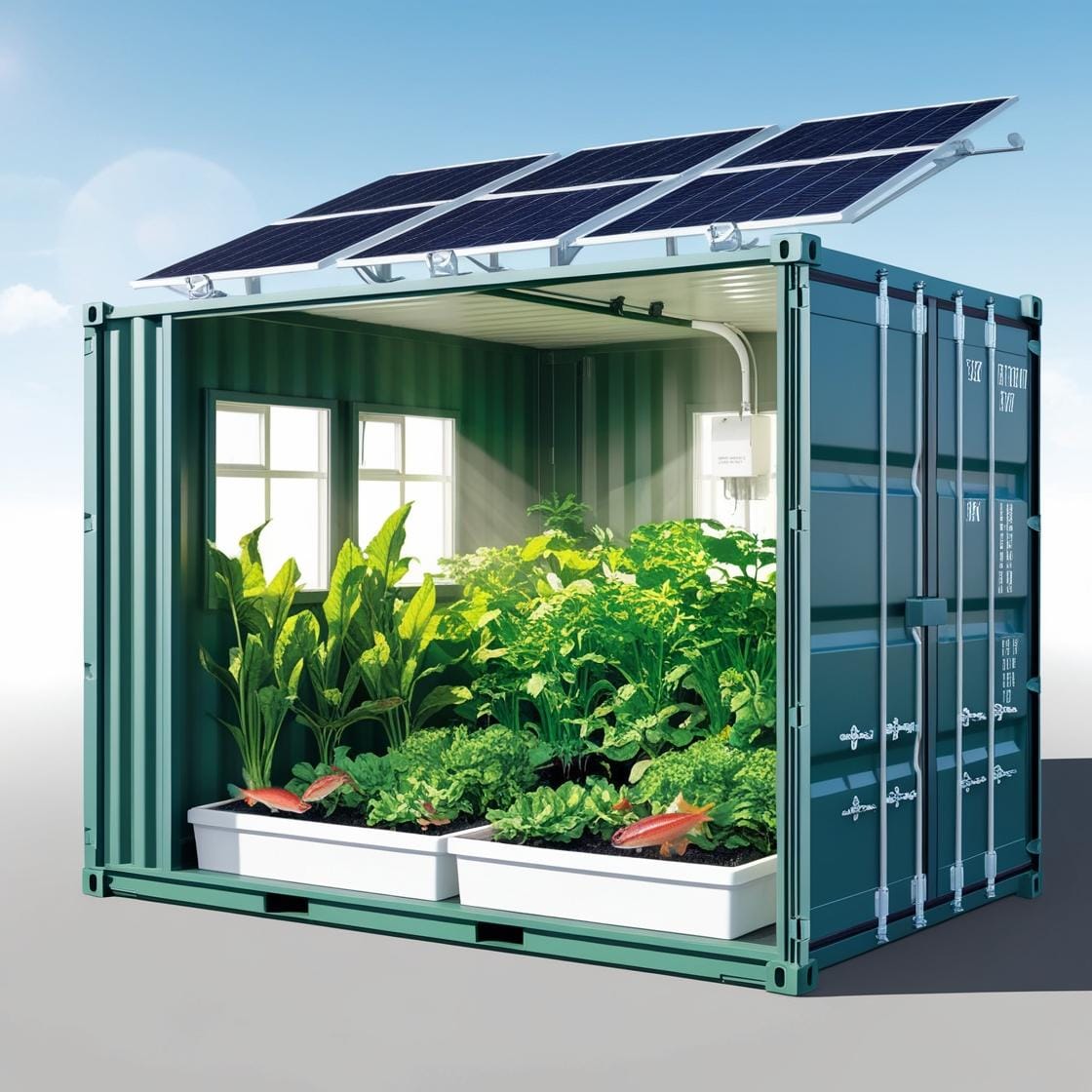
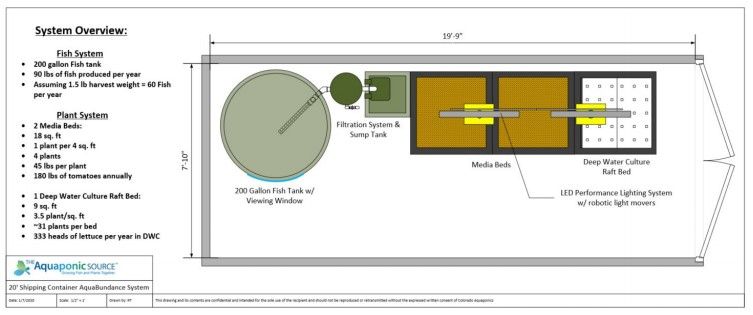
Fish Tank: Home to fish, which produce waste rich in nutrients.
Grow Beds: Where plants are cultivated in soilless media (e.g., gravel, clay pellets) or floating on water.
Water Circulation System: Pumps and filters that move water between the fish tank and the grow beds.
Bacteria: Beneficial bacteria in the system break down fish waste into nutrients plants can absorb.
The Process:
Fish Waste as Nutrients:
Fish produce waste (ammonia) as they eat and grow.
Beneficial bacteria convert ammonia into nitrites and then into nitrates, which are excellent nutrients for plants.
Plant Absorption:
Plants absorb these nutrients through their roots, cleaning the water as they grow.
Water Filtration and Recirculation:
The cleaned water is recirculated back into the fish tank, maintaining a healthy environment for the fish.
Closed-Loop System:
Aquaponics is a closed-loop system, meaning resources like water and nutrients are reused efficiently, minimizing waste and external inputs.
Design and Features
Integrated Systems:
Aquaponics: Combines aquaculture (raising fish) with hydroponics (growing plants in water) to create a self-sustaining system. Fish waste provides nutrients for plants, and plants naturally filter the water for fish.
Vertical Farming: Optimizes space by growing crops in stacked layers, ensuring maximum output in minimal areas.
Soilless Growing Systems: Uses hydroponics or aeroponics to eliminate the need for traditional soil, reducing pests and soil-borne diseases.
Energy Efficiency:
Powered by clean energy systems, such as solar panels and battery storage.
LED grow lights with adjustable spectrums for efficient plant growth and minimal energy use.
Automation and Control:
Sensors for monitoring humidity, temperature, light, and nutrient levels.
Automated watering, feeding, and climate control systems for consistent growing conditions.
Customizable Layouts:
Options for small-scale (personal use) or larger-scale (community food production) setups.
Modular design for easy scalability based on household or community needs.
Custom crop plans based on nutritional needs or market demand.
Fish Varieties in Aquaponics:
Options include tilapia, trout, or ornamental fish (like koi) depending on dietary preferences or aesthetic goals.
Water and Waste Management:
Rainwater harvesting systems can be integrated to supply the agriculture room.
Composting options for recycling organic household waste into nutrients for plants.
Community-Centric Features:
Shared agriculture rooms in community housing models.
Educational setups for teaching sustainable agriculture techniques.
Benefits of Aquaponics for a Family’s 4Ever Home:
Sustainable Food Production:
Families can produce both fresh vegetables and fish for consumption in a single system.
It eliminates the need for chemical fertilizers and pesticides, as the system relies on natural nutrient cycles.
Efficient Use of Space:
Aquaponics systems can be set up indoors, on rooftops, or in small yards, making them ideal for compact living spaces like a 4Ever Home.
Vertical setups maximize productivity in limited areas.
Water Conservation:
Aquaponics uses up to 90% less water than traditional farming, as water is continuously recycled within the system.
This is particularly beneficial in areas with limited water resources or drought conditions.
Year-Round Food Supply:
Aquaponics systems can be operated indoors with climate control and grow lights, allowing for year-round production of food regardless of weather or seasons.
Nutritional and Economic Value:
Families can enjoy fresh, organic, and highly nutritious food produced at home.
Reduces grocery bills by providing a steady supply of vegetables and fish like tilapia, trout, or catfish.
Low Maintenance:
Once set up, aquaponics systems require minimal maintenance, as the ecosystem largely self-regulates.
Families can monitor the system using smart sensors for water quality and nutrient levels.
Environmental Benefits:
Reduces reliance on industrial agriculture, which often involves heavy land use, water waste, and chemical runoff.
By growing food locally, aquaponics reduces the carbon footprint associated with transporting produce and fish from farms to homes.
Educational and Therapeutic Value:
Maintaining an aquaponics system teaches families about sustainability, biology, and food production.
The calming nature of tending to plants and fish can be a source of stress relief and family bonding.
Resilience Against Food Insecurity:
Families in remote or rural areas can produce their own food, reducing dependency on external food supply chains.
This aligns with the 4Ever Home’s goal of promoting self-sufficiency and food security.
Customizable to Needs:
Systems can be scaled up or down to meet the specific food needs of a family, from small tabletop units to larger setups capable of producing surplus food.