
EATABLE WALLS

Harvest on Your Wall

Innovative Eatable Walls for Fresh, Sustainable Living at Your 4Ever Home
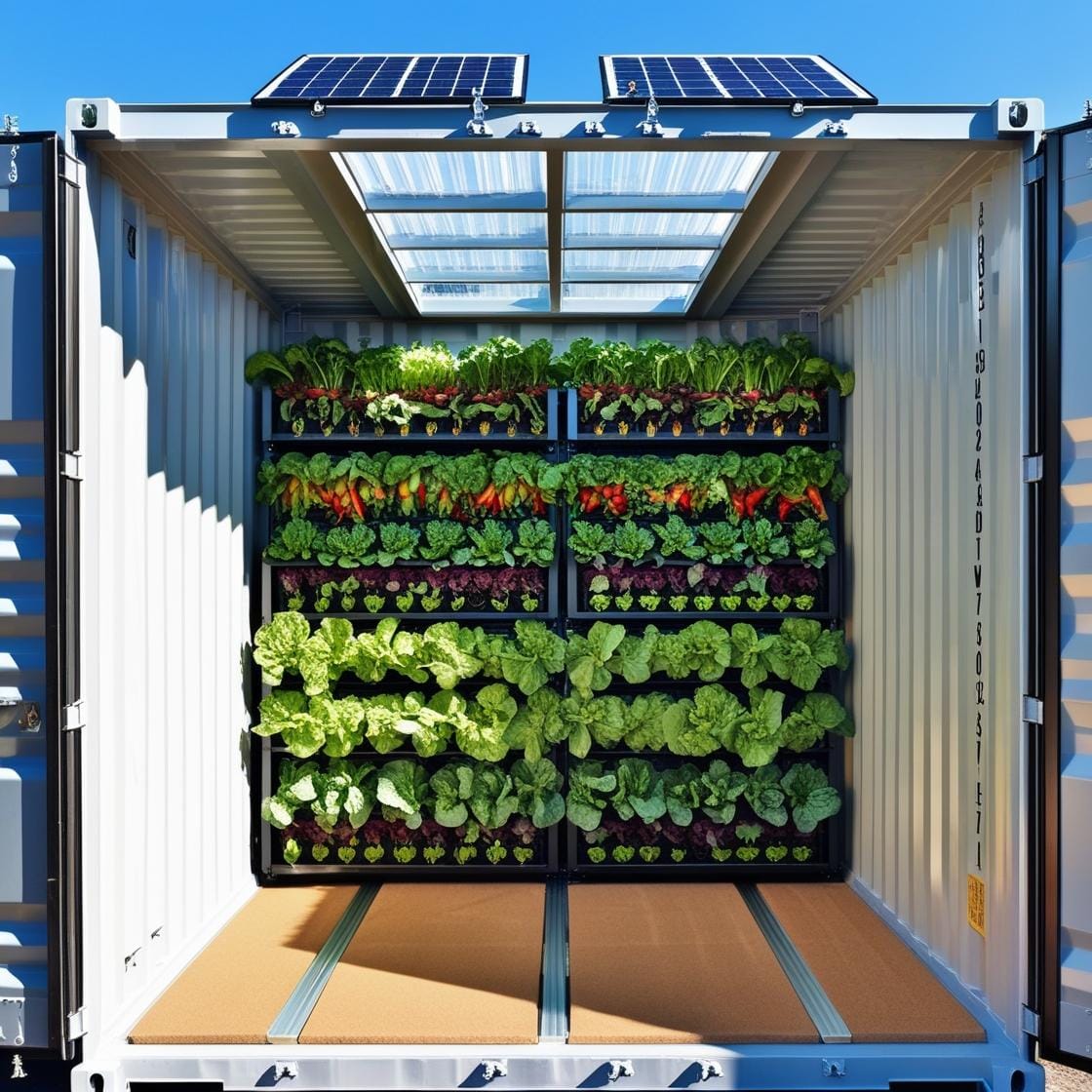
An Eatable Wall, also known as a Living Wall or Edible Green Wall, is a vertical garden system where plants are grown on the surface of a wall, often using hydroponics or soil-based methods. It’s a space-efficient and innovative way to bring nature indoors and grow food in limited spaces, making it a great addition to a family’s 4Ever Home. This type of wall can be designed to grow a variety of edible plants, such as herbs, vegetables, and fruits, making it both a functional and aesthetically pleasing feature for the home.
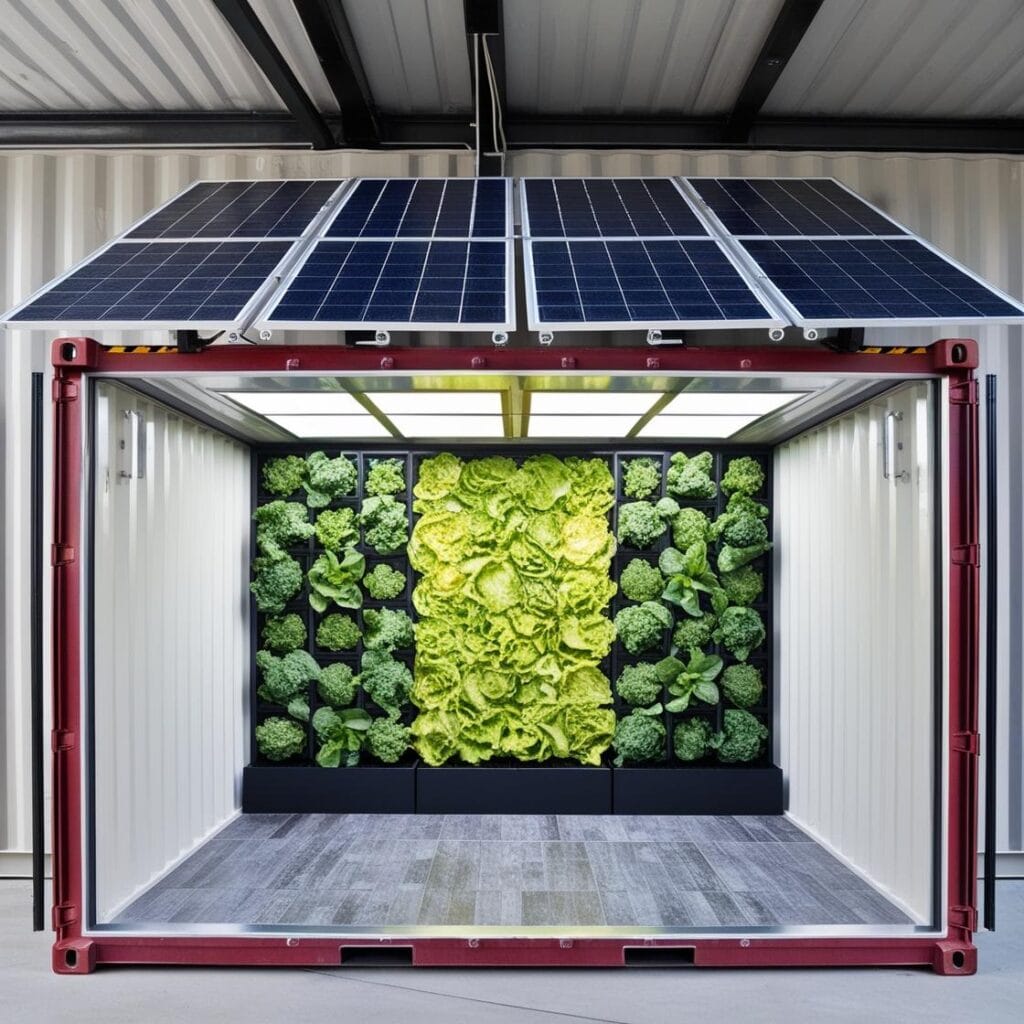
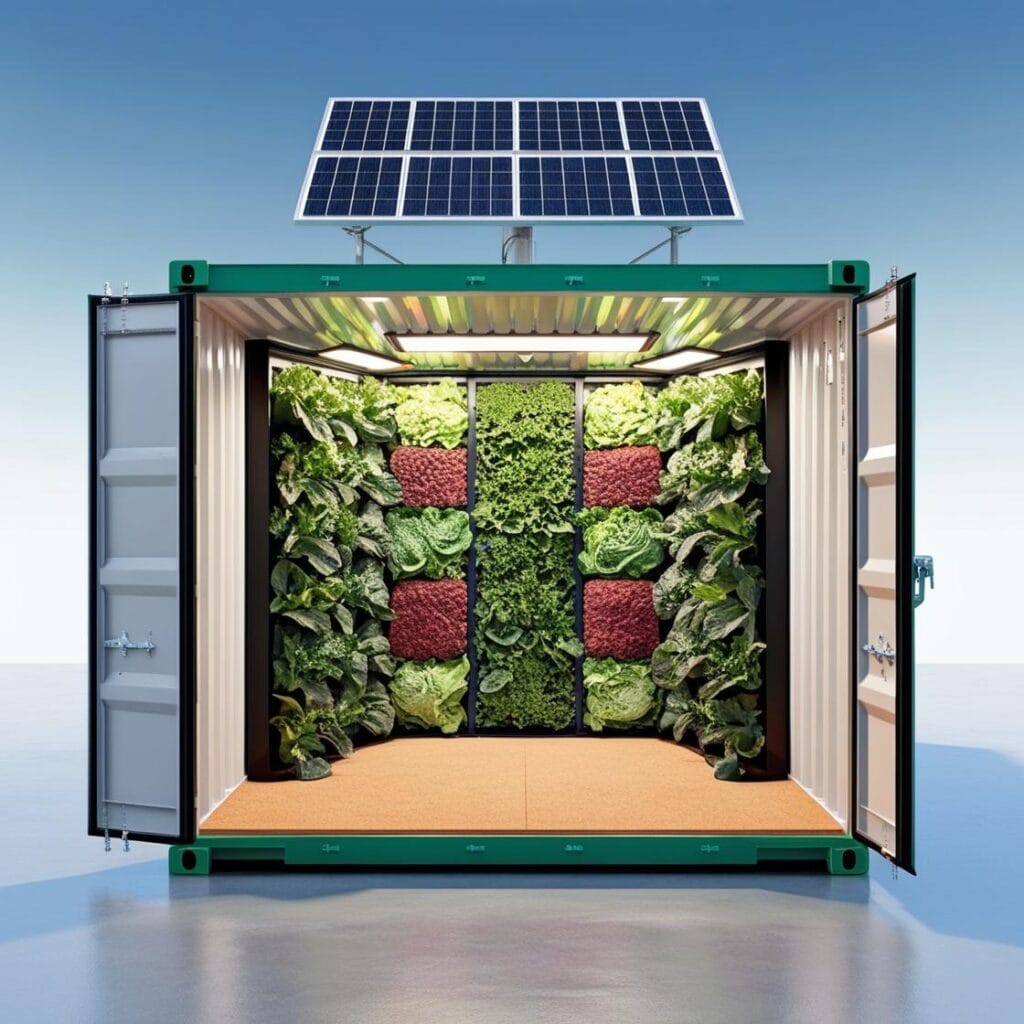
  1. Structure and Design:
    • The Eatable Wall is typically constructed using modular panels or frames that are mounted vertically on a wall. These panels can be made from various materials, such as recycled plastic, felt, or metal.
    • The system holds soilhydroponic media, or a combination of both to support plant growth. Plants are spaced out within the wall, creating a multi-layered garden that grows vertically rather than horizontally.
  2. Water and Nutrient Supply:
    • Hydroponic Eatable Walls: These systems use a nutrient-rich water solution that is pumped through the wall’s structure, feeding the plants through their roots. The water is often recirculated to minimize waste.
    • Soil-Based Eatable Walls: In soil-based designs, the plants are grown in pockets of soil within the panels, with irrigation systems delivering water to each plant.
    • Some systems feature self-watering mechanisms, where water is distributed evenly to each section of the wall, maintaining moisture levels for healthy plant growth.
  3. Light Source:
    • If the wall is indoors, LED grow lights can be incorporated to ensure the plants receive adequate light, mimicking natural sunlight.
    • The wall can be placed near windows or in well-lit rooms to take advantage of natural sunlight.
  4. Plant Selection:
    • An Eatable Wall can support a variety of plants, with herbs (such as basil, thyme, mint), leafy greens (like lettuce, spinach, kale), and small fruits (such as strawberries, tomatoes, or peppers) being the most common.
    • The design can be customized to accommodate the types of plants the family wants to grow, based on space, light availability, and preferred crops.
  5. Maintenance:
    • Maintenance involves ensuring the plants are properly watered, fertilized, and trimmed. Depending on the system, maintenance is relatively easy and low-maintenance due to the self-watering and self-nourishing mechanisms.
    • Regular harvesting ensures plants remain healthy and productive, and the wall can be rotated or replanted with seasonal crops.
Benefits of an Eatable Wall for a Family’s 4Ever Home:
  1. Maximized Space Efficiency:
    • The vertical nature of the Eatable Wall allows families to grow a variety of plants in a small area, making it ideal for homes with limited yard space.
    • It can be installed indoors, on balconies, or in small gardens, turning unused wall space into productive food-growing areas.
  2. Year-Round Food Production:
    • With climate control, LED lights, and indoor placement, an Eatable Wall allows families to grow fresh produce year-round, even in colder climates or urban environments where traditional gardening may not be possible during certain seasons.
  3. Improved Air Quality:
    • Like other indoor plants, an Eatable Wall helps purify the air by absorbing carbon dioxide and releasing oxygen.
    • The plants also act as natural humidifiers, improving indoor air quality, which contributes to a healthier living environment.
  4. Sustainability and Reduced Food Waste:
    • An Eatable Wall supports the sustainable production of fresh, organic produce directly in the home, reducing the need for grocery store trips and food packaging.
    • By growing what is needed and harvesting fresh produce as required, food waste is minimized.
  5. Access to Fresh, Healthy Food:
    • Families can grow nutritious herbs, vegetables, and fruits within arm’s reach, leading to a healthier, more sustainable diet.
    • Fresh ingredients for cooking are readily available, improving meal quality and reducing dependence on store-bought produce that may lose nutrients over time.
  6. Energy and Cost Savings:
    • By producing their own fresh food, families save money on grocery bills.
    • Some systems can be powered using energy-efficient LED grow lights or solar energy, contributing to the overall energy efficiency of the home.
  7. Educational and Therapeutic Value:
    • Growing food in an Eatable Wall offers a hands-on, educational experience for children and adults alike, teaching them about sustainable food production, plant biology, and self-sufficiency.
    • Gardening, especially in a living wall, is also known to have therapeutic benefits, including stress reduction and enhanced well-being.
  8. Low Maintenance and Self-Sufficiency:
    • Eatable Walls are designed to be relatively low-maintenance, with many systems featuring self-watering and self-fertilizing technologies that make the care of plants simpler.
    • By growing food at home, families can achieve a degree of self-sufficiency, providing for their own nutritional needs without relying heavily on external sources.
  9. Aesthetic and Functional Design:
    • Beyond the functional benefits, an Eatable Wall adds a beautiful and unique element to the home, turning an otherwise ordinary wall into a living, green space.
    • It can be a focal point in a kitchen, dining area, or living room, enhancing the overall aesthetic of the home.
 
Example of an Eatable Wall in a 4Ever Home:
A family in a 4Ever Home installs an Eatable Wall in their kitchen:
  • The wall is made of modular hydroponic panels, where herbs like basil, cilantro, and mint, along with leafy greens like lettuce and spinach, are grown.
  • LED grow lights are used to ensure the plants get enough light in the evenings, and the system is self-watering.
  • The family uses the herbs and greens in their daily meals, reducing their grocery costs and ensuring fresh, homegrown ingredients.
Scenario:
  • The family enjoys harvesting fresh ingredients for cooking without leaving the house. In addition to the food it provides, the Eatable Wall helps purify the air in their kitchen, creating a healthier living environment.
 
Advantages for Rural and Aboriginal Communities:
  1. Local Food Production:
    • For families in rural or remote communities, Eatable Walls offer a way to grow fresh, nutritious food where access to stores may be limited, contributing to food security.
  2. Cultural and Environmental Benefits:
    • Eatable Walls can be used to grow traditional plants and foods important to Indigenous communities, promoting both cultural preservation and environmental sustainability.
  3. Community Empowerment:
    • Eatable Walls can be used in community centers, schools, or shared spaces, empowering local communities to grow their own food and reduce reliance on external food systems.
Scroll to Top